
StudioYT
How AEO and GEO Are Overtaking Traditional SEO
SEO
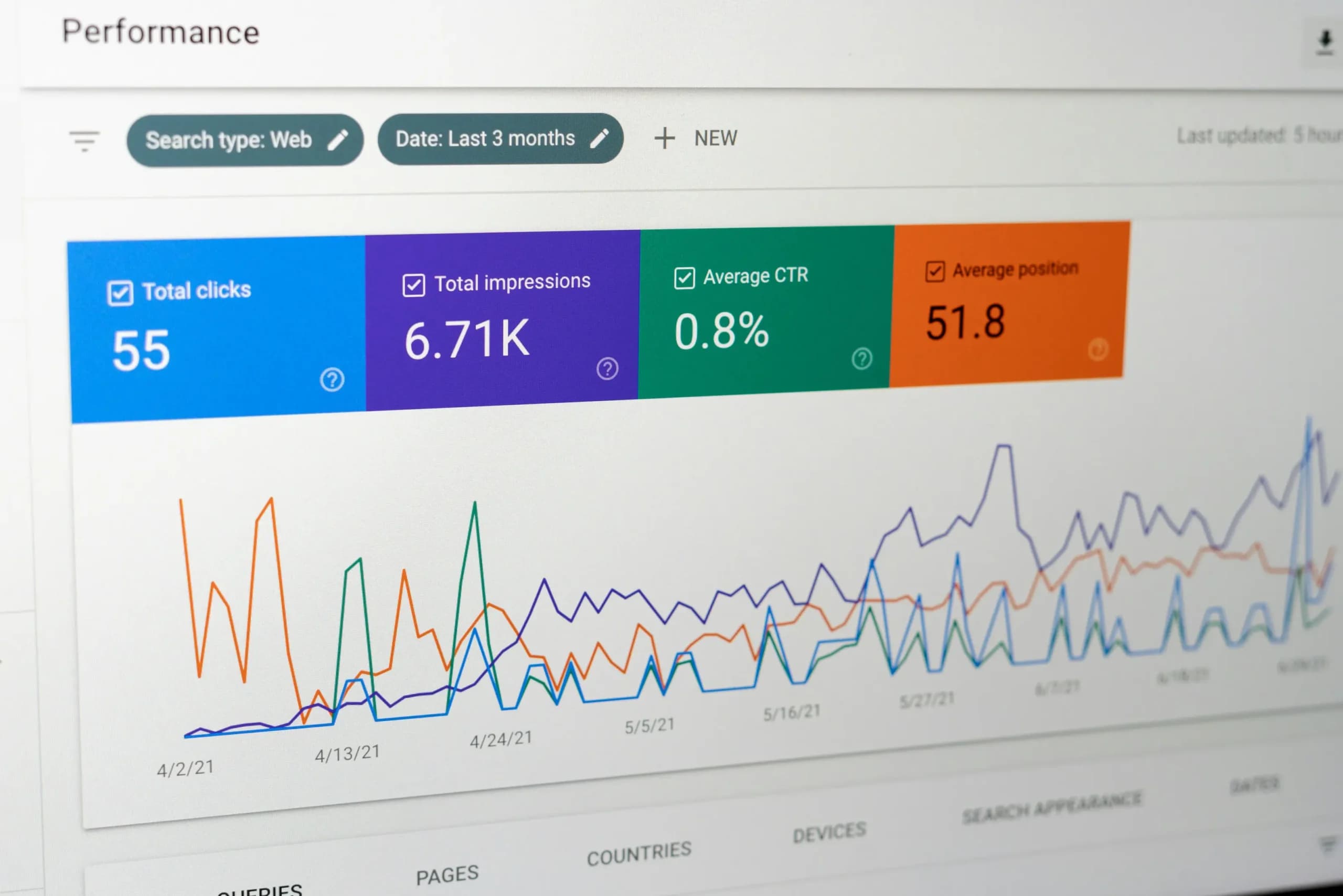
Source: Google Search Console

How AEO and GEO Are Overtaking Traditional SEO (And Why SEO Still Matters)

Manav Gautam

For 20 years, the goal of search was simple: rank on page one and get the click. In 2026, that goal is no longer enough.

Today, a buyer in Dubai or India can ask ChatGPT “which podcast studio should I use?” and get an answer – with names, reasons and links – without ever seeing a list of blue links. On Google, an AI Overview often answers the question before the first organic result. The click is no longer guaranteed. Being the answer is.

This guide explains what AEO and GEO are, how they differ from traditional SEO, what the latest data shows, and exactly how to get your brand cited by AI search.

Quick answer: AEO (Answer Engine Optimization) and GEO (Generative Engine Optimization) are overtaking traditional SEO tactics because AI-generated answers now satisfy many searches without a click. Traditional SEO focuses on ranking pages; AEO and GEO focus on being the source AI engines quote and recommend. SEO still matters, because AI systems mostly cite content that is already crawlable, authoritative and well-ranked.

SEO vs AEO vs GEO: What Each One Means

What is SEO?

Search Engine Optimization (SEO) is the practice of improving a website so it ranks higher in search engine results like Google and Bing. It covers technical health, keywords, content quality and backlinks. The goal is a high ranking and a click to your website.

What is AEO?

Answer Engine Optimization (AEO) is the practice of structuring content so search engines and voice assistants can lift it directly as the answer to a question. It targets featured snippets, People Also Ask boxes, Google AI Overviews and voice search. The goal is to be the answer shown, even when the user does not click.

What is GEO?

Generative Engine Optimization (GEO) is the practice of making your brand and content more likely to be mentioned, cited and recommended by generative AI tools such as ChatGPT, Perplexity, Gemini, Claude and Google AI Mode. The goal is to be part of the answer the AI writes – and to be described accurately when it does.

In simple terms: SEO gets you ranked, AEO gets you quoted, and GEO gets you recommended.

What Changed: The 2026 Data Behind the Shift

This is not a prediction any more. The numbers show how quickly search behaviour has moved.

  • Top rankings now earn far fewer clicks. Ahrefs analysed 300,000 keywords and found that when an AI Overview appears, the click-through rate for the position 1 result fell by around 58% between December 2023 and December 2025. Positions 2 and 3 lost about half their clicks too.
  • Most Google searches end without a click. SparkToro’s 2026 study of US searches found that about 68% of Google searches ended without a click to any external website.
  • AI Overviews hit informational queries hardest. Seer Interactive found AI Overviews appear on roughly 36% of informational queries, compared with about 5% of transactional ones. “How to” and “what is” content is most exposed.
  • AI assistants are now mainstream search tools. OpenAI reported about 900 million weekly ChatGPT users in February 2026, with India alone passing 100 million weekly users. Google said at I/O 2026 that AI Mode had passed 1 billion monthly users.
  • AI traffic is small but high-value. A 2026 SEOcrawl study of 16,000+ websites found AI platforms send roughly 1.25 visits for every 100 from Google organic, but AI-referred traffic grew about 45% in a year while Google organic clicks fell. Several studies also report that AI-referred visitors convert better than average organic visitors.

The takeaway: ranking is still the entry ticket, but the click is no longer the prize. Visibility inside the answer is.

Traditional SEO vs AEO vs GEO: Key Differences

Traditional SEO AEO GEO
Goal Rank high and win the click Be the direct answer Be cited and recommended by AI
Where it shows Google and Bing blue links Featured snippets, People Also Ask, AI Overviews, voice assistants ChatGPT, Perplexity, Gemini, Claude, Google AI Mode
Unit of optimisation The page The question and its answer The brand and its facts
What wins Keywords, backlinks, technical health Clear, concise answers, question-led headings, FAQ and structured data Authority, consistent brand facts, third-party mentions, original data, citable content
Success metric Rankings, organic clicks, traffic Snippet and AI Overview ownership, impressions AI citations, brand mentions, share of voice in AI answers
User journey Search, scan the list, click Ask, read the answer, maybe click Ask, get a recommendation, act

Which old SEO tactics are being overtaken?

  • Chasing rankings as the only KPI. A number 1 ranking under an AI Overview can earn fewer clicks than a number 4 ranking did a few years ago.
  • Keyword stuffing and exact-match obsession. AI engines understand meaning and intent, not repeated phrases.
  • Thin “what is” articles. If AI can answer a question in two lines, a 300-word page restating it adds nothing.
  • Link quantity over brand authority. AI systems weigh who is talking about you and how consistently, not just how many links point to you.
  • Traffic as the only proof of value. Influence now happens inside the answer, often with no visit at all.

It is tempting to say “SEO is dead.” The data says otherwise. AEO and GEO are built on top of SEO, not instead of it.

  • AI engines need to find you first. ChatGPT, Perplexity and Google’s AI features retrieve information from the web. If your site blocks crawlers, loads slowly or is badly structured, you are invisible to them too.
  • Strong sites get cited more. SE Ranking’s study of 2.3 million pages found that domain traffic was the strongest predictor of AI citations, with high-traffic sites earning around three times more citations.
  • Google is still the biggest source of traffic. Google held about 90% of global search market share in early 2026, and it still sends many times more visitors than all AI platforms combined.
  • Commercial and local searches still click. Branded, local and transactional searches – like “podcast studio in Dubai” – are far less affected by zero-click behaviour than informational queries.
Ready to start?

Turn your expertise into influence

The right mindset is SEO + AEO + GEO, not SEO versus AI. Technical SEO and authority get you into the pool of trusted sources. AEO and GEO decide whether you are the one AI chooses to quote.

How to Optimise for AEO and GEO: 10 Practical Steps

  1. Let AI crawlers in. Check your robots.txt. Allow search and AI crawlers such as Googlebot, Bingbot, OAI-SearchBot, PerplexityBot and ClaudeBot unless you have a clear reason to block them. Many sites block them by accident.
  2. Fix technical SEO first. Fast pages, clean HTML, server-rendered content, a working XML sitemap and no accidental noindex tags. AI crawlers struggle with content that only appears after heavy JavaScript.
  3. Answer first, then explain. Start each section with a clear 40-60 word answer to the question in the heading. Then add depth, examples and nuance.
  4. Write headings as real questions. Use the exact questions buyers ask: “How much does podcast production cost in Dubai?” not “Our Pricing Philosophy.”
  5. Add structured data. Use Organization, LocalBusiness, Service, FAQPage, Article and BreadcrumbList schema so machines understand who you are and what each page covers. Keep schema matched to visible content.
  6. Make your brand facts consistent everywhere. Your name, services, location, founder and positioning should read the same on your website, Google Business Profile, LinkedIn, directories and press mentions. AI engines build their picture of you from all of these.
  7. Publish original information. First-hand data, case studies, frameworks and expert opinions give AI something it cannot find elsewhere – and a reason to cite you.
  8. Earn mentions beyond your own site. Industry articles, podcasts, interviews, reviews, directories and community discussions all shape how AI describes your brand. Brand mentions now matter alongside backlinks.
  9. Show real expertise. Named authors with bios, real photos, credentials and first-hand experience strengthen E-E-A-T signals for both Google and AI systems.
  10. Turn video and audio into text. Publish transcripts, summaries and blog posts from your podcasts and videos. AI engines read text far more easily than they watch video, so spoken expertise needs a written version to be cited. Here is how to turn one podcast episode into 30+ pieces of content.

Keep important pages fresh as well. Add a visible “last updated” date and review key pages at least every six months.

How to Measure AEO and GEO Success

If clicks are no longer the full story, you need new metrics alongside traditional ones.

Metric What it tells you How to track it
AI citations and mentions How often AI answers name or link to your brand AI visibility tools such as Ahrefs Brand Radar or Semrush, plus manual prompt checks
AI share of voice How often you appear versus competitors for key prompts Track a fixed list of buyer prompts every month
AI referral traffic Visits from chatgpt.com, perplexity.ai, gemini.google.com and others A custom AI channel group in GA4
Impressions vs clicks Whether you are seen even when users do not click Google Search Console
Branded search growth Whether AI exposure is driving people to search for you Google Search Console and Google Trends
Conversions by source Whether AI visitors turn into leads GA4 key events and your CRM

A simple starting habit: once a month, ask ChatGPT, Perplexity and Gemini the 10 questions your buyers ask most. Record whether your brand appears, what is said about you and which sources are cited. Then fix the gaps.

Remember that much AI influence is hidden. Clicks from Google AI Overviews show up as normal organic clicks, and many people see your brand in an AI answer and later visit directly. Rising branded searches and direct traffic are often the clearest signs GEO is working.

Why Podcasts and Video Are a GEO Advantage

AI engines favour brands that are discussed, quoted and seen as experts across the web. A podcast does exactly that. Every episode creates expert conversations, guest mentions, transcripts, clips and articles – all signals that help AI understand who you are and what you know.

At StudioYT, we connect the two. Our podcast production in Dubai turns founders into recognised voices, and our website development and SEO work makes sure that expertise is crawlable, structured and ready to be cited by Google and AI answer engines alike. We follow Y Theory – Purpose Before Production – so every piece of content starts with the questions your buyers are actually asking. It is also why every business needs a video content strategy.

Want to know how AI sees your brand today? Book a free consultation and we will check your visibility across Google, ChatGPT and Perplexity.

Conclusion

AEO and GEO are overtaking traditional SEO tactics because the search result is turning into an answer. Rankings and blue-link clicks still matter, but they are no longer the whole game. The brands that win in 2026 build a strong SEO foundation, structure content so AI can lift it, and earn enough authority that AI engines choose to recommend them. Start with your top 10 buyer questions, and make sure your brand is the best answer to each one.

Frequently Asked Questions

SEO helps your pages rank in search results and earn clicks. AEO structures content so search engines and assistants can show it as the direct answer. GEO helps your brand get mentioned, cited and recommended inside AI-generated answers from tools like ChatGPT, Perplexity and Gemini.

Tags

  • AEO
  • AI Search
  • GEO
  • Google AI Overviews
  • SEO
  • SEO Strategy

Share

Let's create something great

Ready To Turn YourIdeas Into Influence?

Let's create content that gets noticed, builds credibility, and moves your brand forward.